Introduction
A containerized data center is transforming how organizations deploy, scale, and manage IT infrastructure. As businesses demand faster deployment, flexibility, and cost efficiency, traditional brick-and-mortar data centers often fall short. Containerized data centers provide a modern, modular alternative that meets today’s digital demands while supporting future growth.
This article explores what a containerized data center is, how it works, its benefits, use cases, components, challenges, and why it is becoming a preferred solution across industries.
What Is a Containerized Data Center?
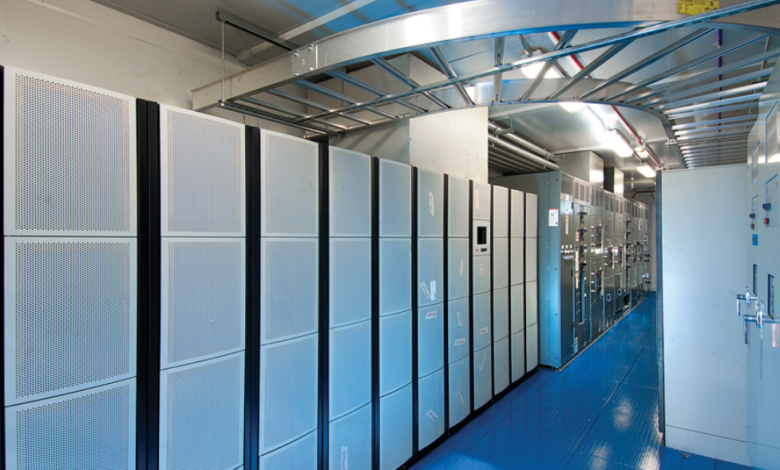
A containerized data center is a self-contained, modular computing facility housed within a standardized shipping container or similar portable enclosure. It includes all critical data center components such as servers, storage, networking, power distribution, cooling systems, and security controls.


Unlike traditional data centers that require permanent buildings, containerized data centers are pre-engineered, factory-assembled, and delivered ready for rapid deployment.
See also: Maximizing Space with Smart Layouts in Custom Homes
How a Containerized Data Center Works
Containerized data centers are built off-site in controlled manufacturing environments. Once completed, they are transported to the deployment location and connected to external power, networking, and cooling resources if needed.
They function as plug-and-play infrastructure units that can operate independently or integrate into existing IT environments. Multiple containers can be deployed together to form scalable data center clusters.
Key Components of a Containerized Data Center
IT Equipment
Includes servers, storage systems, switches, and routers pre-installed within the container.
Power Infrastructure
Integrated power distribution units (PDUs), uninterruptible power supplies (UPS), and backup systems ensure continuous operation.
Cooling Systems
Advanced cooling technologies such as in-row cooling, liquid cooling, or closed-loop air systems maintain optimal temperature and efficiency.
Security Systems
Physical security features like access control, surveillance, and fire suppression protect critical assets.
Monitoring and Management
Built-in monitoring tools track temperature, power usage, humidity, and system health in real time.
Benefits of a Containerized Data Center
Rapid Deployment
Containerized data centers can be deployed in weeks rather than months or years, making them ideal for urgent capacity needs.
Scalability
Organizations can easily add or remove containers based on workload requirements without disrupting operations.
Cost Efficiency
Reduced construction costs, predictable pricing, and lower operational expenses improve overall return on investment.
Portability
These data centers can be relocated as business needs change, supporting temporary or remote deployments.
Energy Efficiency
Optimized design and cooling systems improve power usage effectiveness and reduce energy waste.
Standardization
Factory-built designs ensure consistent quality, performance, and compliance across deployments.
Common Use Cases for Containerized Data Centers
Edge Computing
Ideal for processing data closer to the source in industries such as telecommunications, manufacturing, and smart cities.
Disaster Recovery
Provides a fast and reliable backup solution during emergencies or infrastructure failures.
Remote Locations
Supports operations in areas where traditional data centers are impractical, such as mining sites or military bases.
Cloud and Hybrid Environments
Enhances hybrid cloud strategies by extending on-premises capacity quickly.
Temporary or Seasonal Workloads
Useful for projects that require short-term computing power without permanent infrastructure.
Challenges and Limitations
Space Constraints
Physical space inside a container is limited compared to large traditional data centers.
Initial Investment
Although cost-effective long term, upfront investment may be significant depending on configuration.
Environmental Considerations
Extreme weather conditions may require additional insulation or cooling support.
Customization Limits
Highly specialized configurations may be harder to implement compared to custom-built facilities.
Containerized Data Center vs Traditional Data Center
Containerized data centers offer faster deployment, modular scalability, and portability, while traditional data centers provide greater customization and long-term stability. Organizations increasingly choose containerized solutions for flexibility and speed, especially in dynamic or growing environments.
Future of Containerized Data Centers
As demand for edge computing, 5G networks, and AI workloads increases, containerized data centers will continue to evolve. Innovations in cooling, automation, and sustainability will further enhance their performance and adoption across industries.
Frequently Asked Questions (FAQs)
What industries use containerized data centers?
Industries such as IT, telecommunications, healthcare, finance, manufacturing, defense, and energy widely use containerized data centers.
Are containerized data centers secure?
Yes, they include physical security, fire suppression, and monitoring systems comparable to traditional data centers.
How long does it take to deploy a containerized data center?
Deployment can take anywhere from a few weeks to a couple of months, depending on site readiness and configuration.
Can containerized data centers be expanded?
Yes, they are highly scalable. Additional containers can be added as demand grows.
Are containerized data centers environmentally friendly?
They are generally more energy-efficient due to optimized cooling and power usage designs.
Conclusion
A containerized data center is a powerful, flexible, and future-ready solution for modern IT infrastructure needs. Its modular design, rapid deployment capability, and cost efficiency make it an attractive alternative to traditional data centers. As businesses continue to demand scalability, resilience, and speed, containerized data centers will play a critical role in shaping the future of digital infrastructure.